
From intimate dimly lit basement cafés in Mumbai to vibrant rooftop stages overlooking the Delhi skyline, Open Mic events have rapidly become the heartbeat of India's youth culture and new literary renaissance. A movement once confined to niche subcultures is now reshaping how stories are shared, heard, and celebrated.
Key Takeaways
- Democratic Platform: Open mics offer an un-gatekept space where raw talent takes precedence over background or credentials.
- Language Inclusivity: A thriving blend of Hindustani, Hinglish, regional languages, and English spoken word.
- Community & Empathy: Audiences at open mics actively foster a safe, supportive environment for vulnerable storytelling.
The Renaissance of Spoken Word in Urban India
Over the last decade, urban centers across India have witnessed a dramatic shift in how literature is consumed. Where literary gatherings were once formal, academic affairs dominated by veteran intellectuals, today's open mic stages belong to college students, young professionals, engineers, and dreamers who bring their personal truths into the spotlight.
This democratization of performance arts has shattered traditional gatekeeping. Anyone with a notebook, a phone screen, or a story in their heart can sign up, step onto the stage, and command a room full of empathetic strangers for three to five transformative minutes.
"An open mic is not just a stage; it is a mirror reflecting the unvarnished truths, heartbreaks, and hopes of a generation that refuses to stay silent."
— Sukoon Ki Baat Curation Team
From Coffee Houses to Viral Movements
The digital age played an indispensable catalyst role. Platforms like Sukoon Ki Baat, YouTube, and Instagram transformed local open mic performances into global cultural phenomena. Verses written late at night in hostel rooms began reaching millions of viewers across continents.
Poets performing in a mix of Hindi, Urdu, and English (Hinglish) resonated deeply with young audiences navigating modern relationships, mental health, societal expectations, and personal identity. The blending of traditional poetic meters with contemporary urban slang created a whole new linguistic cadence.
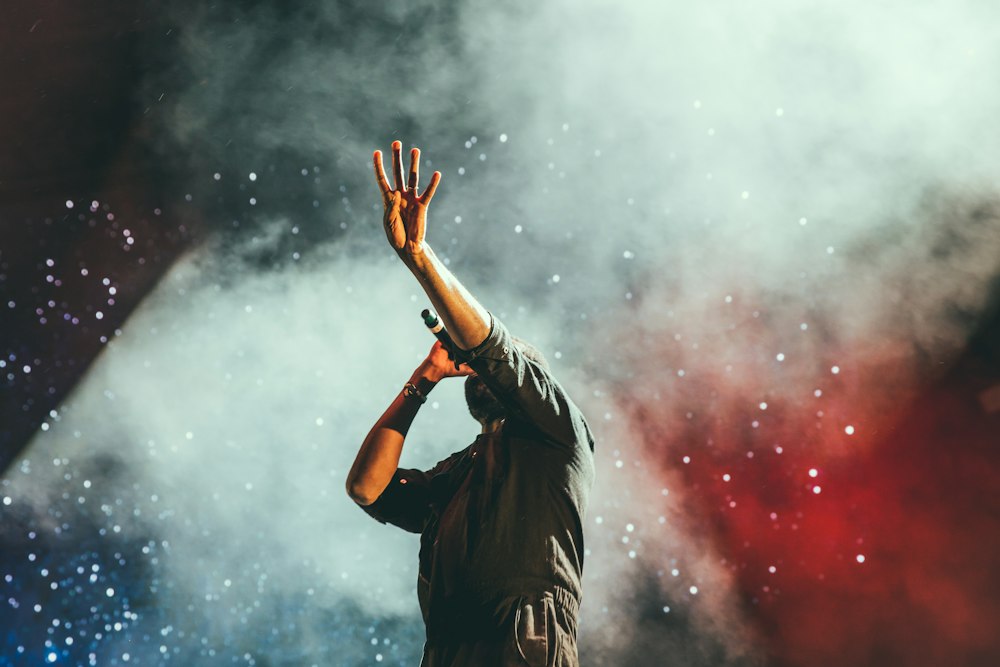
Creating Safe Spaces for Vulnerable Storytelling
What truly sets the open mic culture apart is its unique audience etiquette. Unlike stand-up comedy where heckling can be common, poetry open mics cultivate profound empathy. A trembling voice or a forgotten line is met not with awkward silence, but with warm snaps, gentle applause, and encouraging nods from the crowd.
This supportive ecosystem encourages performers to address deeply personal themes — grief, self-discovery, social justice, and unrequited love — without fear of harsh judgment.
Nurturing Tomorrow's Literary Icons
Many of India's most celebrated young poets and authors started their journeys at modest open mic venues. By offering regular practice, direct audience feedback, and peer mentorship, open mics serve as informal incubators for emerging literary talent.
Organizations like Sukoon Ki Baat are taking this further by organizing curated showcases, publishing anthologies, and hosting masterclasses that bridge the gap between amateur open mics and professional literary careers.
The Road Ahead: Scaling the Movement
As the culture expands into Tier-2 and Tier-3 cities across India, open mics are preserving local dialects and regional storytelling traditions. The future of Indian literature is no longer restricted to dust-covered library archives — it is vibrant, vocal, and performing live every weekend.
Comments & Perspectives
0 CommentsNo comments yet. Share your thoughts and join the conversation!
Leave a Comment
Your email address will not be published. Required fields are marked *